
Published:
Updated:
Learning Ukulele with Curt
Daily Practice Material for the Contemporary Ukulele
Daily Practice Material for the Contemporary Ukulele Player is an organized collection of daily practice and reference material for the contemporary ukulele player. This material can be used to develop the vocabulary and knowledge necessary for single note playing.
Author(s): Curt Sheller Publisher: Code: PMG1UKE
Main Category: Practice Main Instrument: Ukulele
Categories: Jazz, Practice, Scales, Intervals, Intermediate, Advanced

24 June 2026

Sign in or register ( FREE) to view this book with the Online PDF Viewer, download, or buy the PDF.
Sign In for Access…Product Info
- Product Code: PMG1UKE
- Author(s): Curt Sheller
- Publisher(s):
- Published: 12 July 2004
- Updated: 28 September 2021
- ISBN-13: 978-1-60321-010-2
- Size*: ANSI A
- Pages: 68
- Hard Copy Price: $12.95
- PDF Price: $9.00
Regarding Book, Lesson and Charts Paper Sizes
• click to Hide more info
• click to Show more info
Starting 2020 LearningUkulele.com & Learning Ukulele with Curt moved to A4 paper sizes for all new books and new editions of books, lessons, and charts.
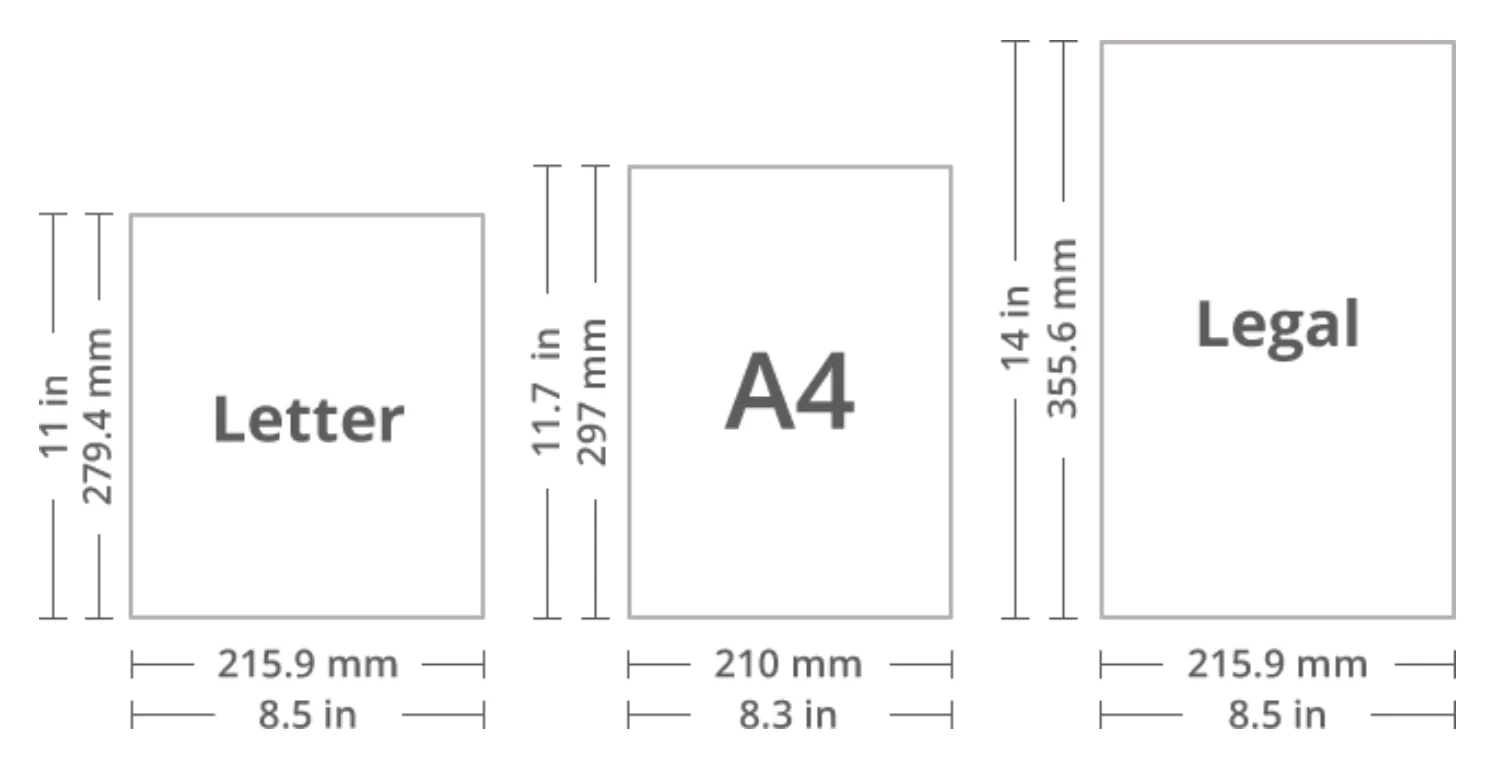
The A Series was adopted in Europe in the 19th century, and is currently used all around the world, apart from in the USA and Canada.
• Decoding Printer Paper Sizes: A4 vs Letter vs Legal. which is Standard?
NOTE: Printing A4 to US Letter Size: As the sizes are relatively close, simple select Scale to Fit
and the A4 size will print out fine.
Daily Practice Material for the Contemporary Ukulele Player is an organized collection of daily practice and reference material for the contemporary ukulele player. This material can be used to develop the vocabulary and knowledge necessary for single note playing.
Material includes: Scales, Intervals, Arpeggios and Sequences, the source material for improvisation.
Note: Each of the books is the same with different covers. The additional information available on the book page is specific for that instrument.
More Daily Practice Material for the Contemporary Ukulele
content below, continue exploring...
More Daily Practice Material for the Contemporary Ukulele
Scales and Modes
Scales should be viewed as a collection or stream of notes and explored in as many keys as possible. This section covers essential scales needed by the contemporary ukulele player as well as some additional scales that are useful for more advanced improvisation.
What is the difference between a scale and mode?
First some history...
Pythagoras (569BC- 475BC) - discovered the numerical ratios which determine the intervals of the musical scale. Theses are the seven tones of the C Ionian or C Major scale. Pythagoras noticed that vibrating strings produce harmonious tones when the ratios of the lengths of the strings are whole numbers, and that these ratios could be extended to other instruments. In fact Pythagoras made remarkable contributions to the mathematical theory of music. He was a fine musician, playing the lyre, and he used music as a means to help those who were ill.
- Introduction
- Scales, Intervals, Arpeggios and Sequences
- Scales & Modes
- Scale & Mode History
- Modal Scales
- Ionian, Dorian, Phrygian, Mixolydian
- Lydian, Aeolian, Locrian
- Traditional Scales
- Harmonic Minor, Tonic (Melodic or Jazz) Minor
- Diminished, Whole Tone
- Contemporary Scales
- Blues, Pentatonic
- Altered Scales
- Mixolydian +4, Mixolydian -2 -6
- Additional Mixolydian Altered Scales
- Altered Scale Choices
- Locrian, Tonic Minor, Major, Diminished
- Summary
- Additional Scales
- Bebop Scales
- Applying Scales
- Improvisation
- Tonal Centers
- Target Practice
- Practicing
- Scale Diary
- Melodic Analysis
- Intervals
- What is an Interval?
- Simple Intervals
- Compound Intervals
- Chromatic Intervals
- Inversions
- Famous Melodic Intervals
- Ascending
- Descending
- Notation Intervals
- Ascending
- Intervalic & Functional Notation
- Interval Qualities and Resolution Tendencies
- Diatonic & Chromatic
- Interval Examples
- Seconds
- Thirds
- Fourths
- Fifths
- Sixths
- Sevenths
- Octaves
- Ninths
- Tenths
- Elevenths, Twelfths, Thirteenths
- Sequences
- Intervalic
- Seconds, Thirds, Fourths, Fifths
- Sixths, Sevenths, Octaves, Ninths
- A One Octave Thirds Example
- A Two Octave Thirds Example
- Arpeggio Sequence Examples (triads)
- Sequence Examples by Starting Interval
- Seconds
- Thirds
- Fourths
- Fifths
- Sixths
- Sevenths
- Octaves
- Practice
- Cycles and Sequences
- Key Signatures
- Charts
- Chord Building Chart
- Major & relative Minor Keys Full Diatonic Tonality Chart
- 6 String Guitar Fingerboard Charts
- 3/10/2004 — (03102004.1330) changes to sample intervals page and fixing various typos
- 12/16/2003 — Errata File Created

The Learning Process - The Mind, Hands and Ears
For music and learning an instrument like the ukulele or guitar, it's all about the making the connection between your Mind, your Hands, and your Ear. When listening to music, we enjoy it at the tempo the composer or artist intended, in real time. Only the ear is involved in listening. This is passive listening and you're simply enjoying the music. This is what we do every day and it's what draws us to want to learn a musical instrument.