
Published:
2025-06-09
Updated:
2025-06-09
Learning Ukulele with Curt
Six Secrets of Ukulele Fingering Series
Learn the six fingering principles to navigating the ukulele fingerboard. Fingering is one of the most universal topics. Whether your style is Rock, Blues, Country, Jazz or Classical, these principles will improve your technique, your solos, even your sight reading. Think of fingering as a series of pathways. When you learn to connect these pathways, there are benefits not only to technique but also to creativity. All fingering on the ukulele can be reduced to 6 principles of motion. Each principle has physical and musical characteristics that you can use to improve your playing.
Main Category: Fingering Main Instrument: Fingering

6 August 2026
RelatedSeriesAssets
Learn the six fingering principles to navigating the ukulele fingerboard. Fingering is one of the most universal topics. Whether your style is Rock, Blues, Country, Jazz or Classical, these principles will improve your technique, your solos, even your sight reading. Think of fingering as a series of pathways. When you learn to connect these pathways, there are benefits not only to technique but also to creativity. All fingering on the ukulele can be reduced to 6 principles of motion. Each principle has physical and musical characteristics that you can use to improve your playing.
Six Secrets of Ukulele Fingering - Hand Position
Efficiency of motion and energy is the key to technique. The thumb should be flat against the back of the neck approximately under the first or second finger. The exact position varies with thumb, neck and hand size. The thumb pushes up against the neck while the fingers press down.
Series Info
Fingering
Fingering
220 visits
Reading Music on Ukulele Series - Reading in Open Position, Alternate Note Locations
One of the reasons it is hard to read music on the guitar and the ukulele is, alternate note locations. In the open position there is one alternate note location. The open E, string two can also be played on string three, fret (3). If there is no overwhelming musical reason to play one location vs. the other. Then play the one that is easier to play. Use your ear as the final judge as to which one you prefer.
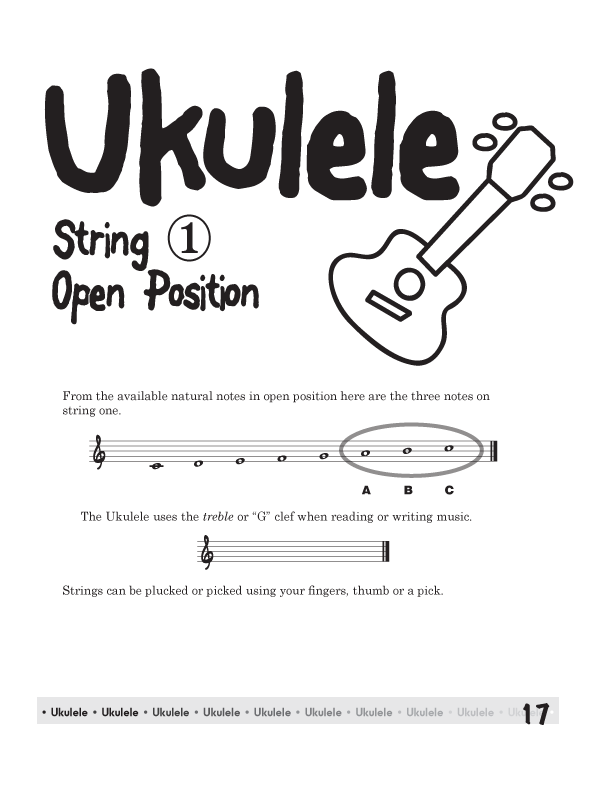
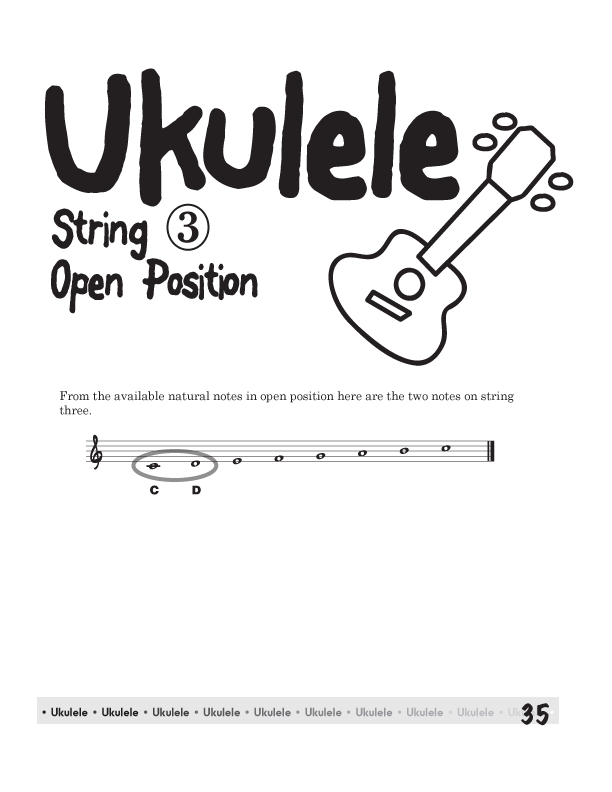
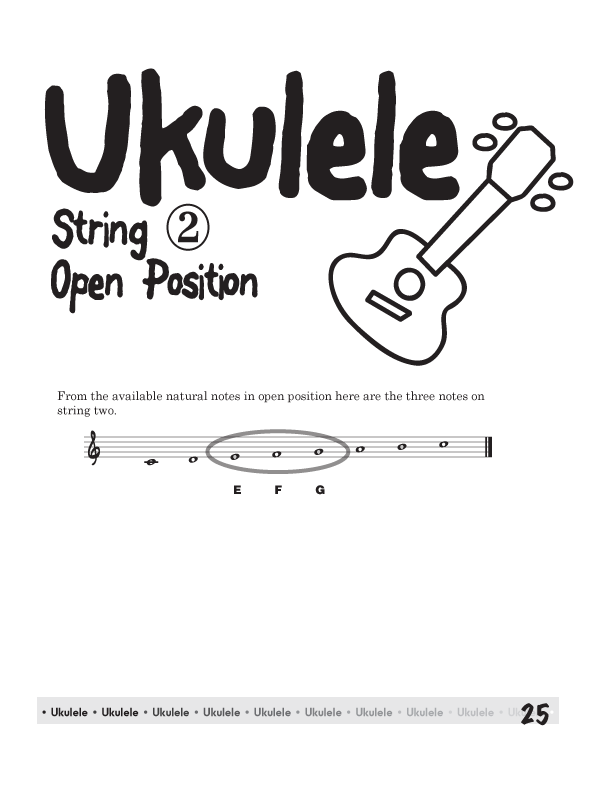
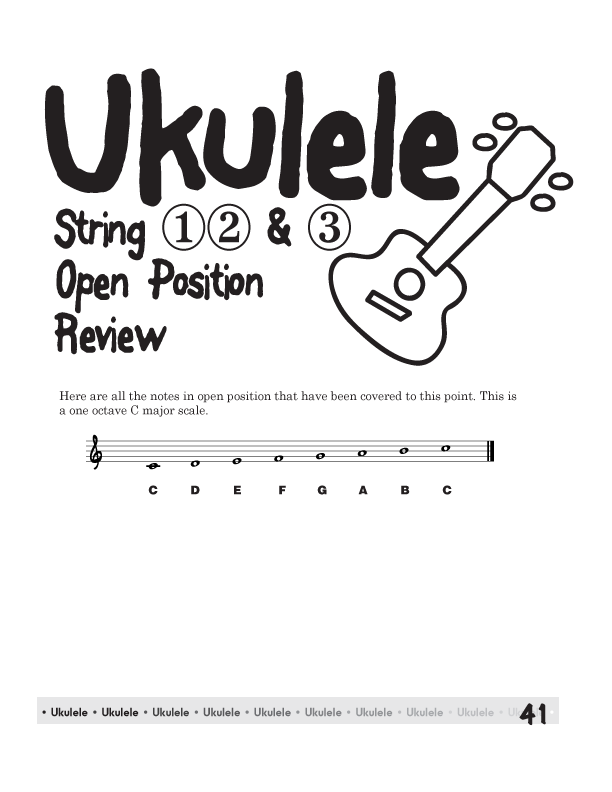



Reading Music on `Ukulele Series - Reading in Open Position
This series of lessons will allow you finally, to check that Reading item off your music To Do list. Learning to read standard music notation opens a world of music to you. Music notation is the Lingua franca of amateur and professional musicians alike.
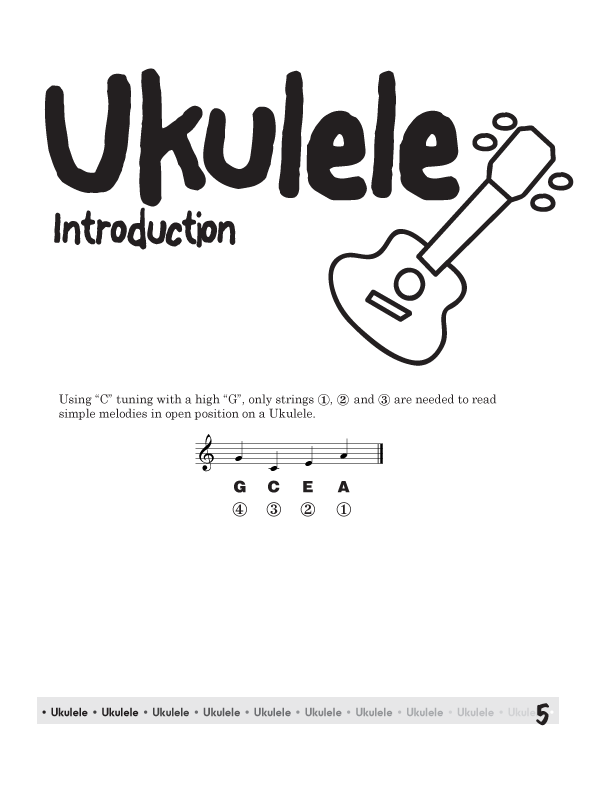
Reading Music on `Ukulele Series - Reading in Open Position, Introduction
There are a few things in music that students and players avoid. These are things like learning to read and knowing the notes of their own instrument. It is hard on guitar - but not so hard on ukulele. With the right guidance and plan of attack. IT IS EASY. It is really quite easy on a uke. Starting with natural notes in in the open position you can finally check off the Reading Music to do item. Learning to read standard music notation is really, really easy.