Published:
2013-01-01
Updated:
2013-01-01
Learning Ukulele with Curt
Chord a Day, February 29th - ?
Learn a new Ukulele chord every day of the year. The chord for February 29th is ( see ya' again in 2028).
Author(s): Curt Sheller Publisher: Curt Sheller Publications Code: ULCAD0229
Main Category: Chords Main Instrument: Ukulele
Subjects: Chords

2026-08-23
RelatedLessonAssets
Learn a new Ukulele chord every day of the year. The chord for February 29th is ( see ya' again in 2028).

Leap Year!!! No chord for Feb 29th — Sorry, but we need a chord every day of the year not every four years.. Take a day off and review all the previous chords for January and February.
Why Do We Have Leap Year?
A leap year (or intercalary or bissextile year) is a year containing one additional day (or, in the case of lunisolar calendars, a month) in order to keep the calendar year synchronized with the astronomical or seasonal year. Because seasons and astronomical events do not repeat in a whole number of days, calendars that have the same number of days in each year, over time, drift with respect to the event that the year is supposed to track. By inserting (or intercalating) an additional day or month into the year, the drift can be corrected. A year that is not a leap year is called a common year.
In the Gregorian calendar, a year ending in "00" that is divisible by 400 is a century leap year (2000 was a century year), with the intercalation of February 29 yielding 366 days instead of 365. Century years (divisible by 100) that are not divisible by 400 are not leap years but common years of 365 days. For example, the years 1600, 2000, and 2400 are century leap years since those numbers are divisible by 400, while 1700, 1800, 1900, 2100, 2200, and 2300 are exceptional common years despite being divisible by 4. Leap years divisible by 400 always start on a Saturday; thus the leap day February 29 in those years always falls on a Tuesday (dominical letter BA)
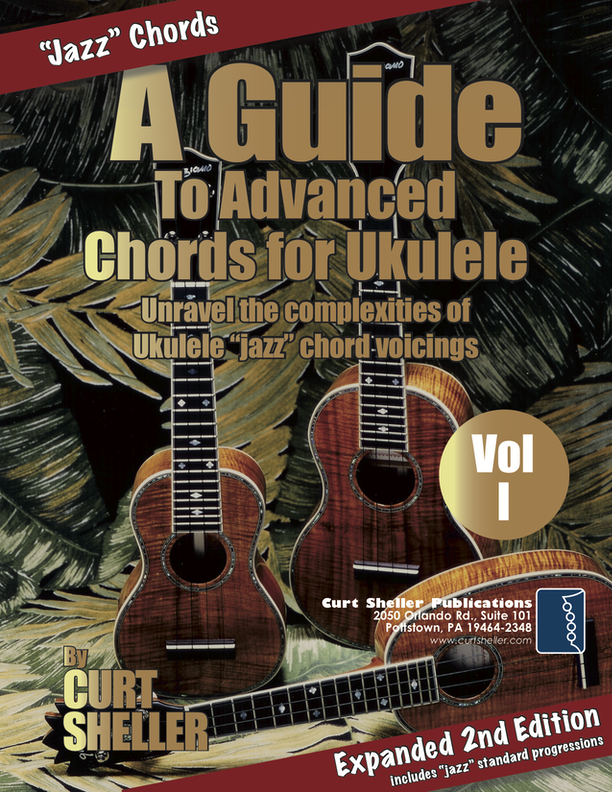
A Guide to Advanced Ukulele Chords - Volume I
Beyond learning basic Ukulele chords, most players struggle with advanced chords. Commonly called "jazz" chords, these more sophisticated voicings find a wide use in all forms of music. A Guide to Advanced Chords for Ukulele - presents a highly organized and efficient approach to the mysterious subject of advanced chords. Chord dictionaries are not the answer.
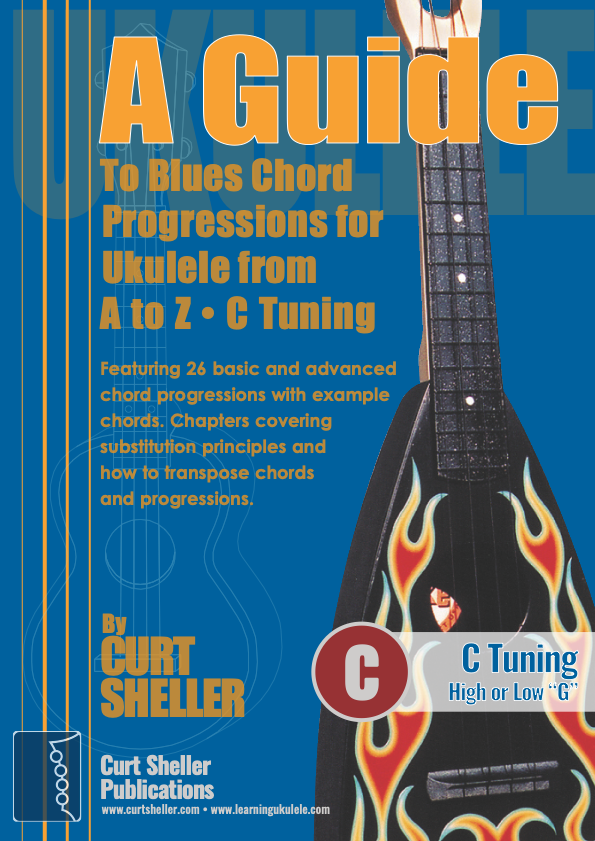
A Guide to Blues Chord Progression for Ukulele A to Z - C Tuning
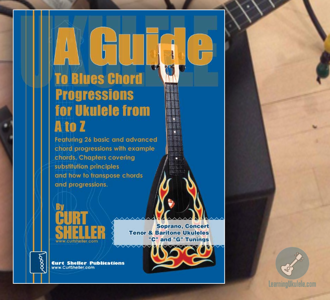
The Blues are at the heart of all American music. It has influenced Country, Rock, Folk, Jazz, Bluegrass and just about every form of American music we listen to today. 26 blues progression in C and G tuning, progressing from basic to advanced jazz progression, with chord grids and substitutions explained.
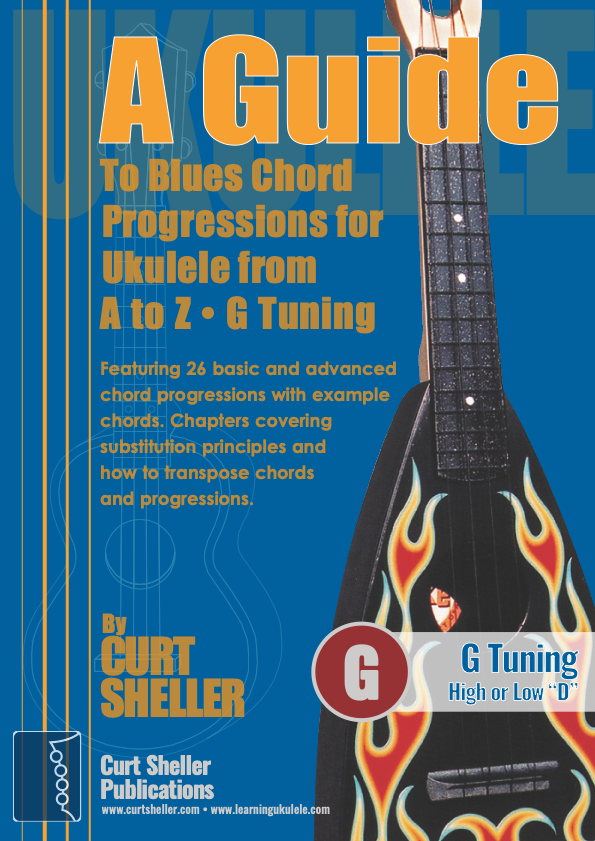
A Guide to Blues Chord Progressions for Ukulele A to Z - G Tuning
The Blues are at the heart of all American music. It has influenced Country, Rock, Folk, Jazz, Bluegrass and just about every form of American music we listen to today. 26 blues progression in C and G tuning, progressing from basic to advanced jazz progression, with chord grids and substitutions explained.
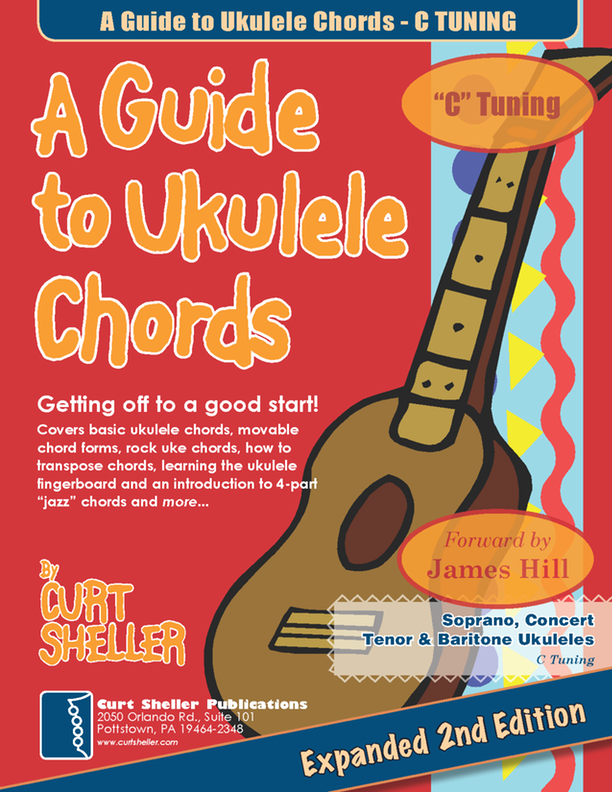
A Guide to Ukulele Chords, 2nd Edition
A Guide to Ukulele Chords, Second Edition is designed as a guide to ukulele chords. Covering the basic ukulele chords that ALL ukulele players SHOULD know. A Guide to Ukulele Chords covers movable chord forms, rock chords, how to transpose chords, learning the ukulele fingerboard and includes an introduction to 4-part, a.k.a jazz chords and more...
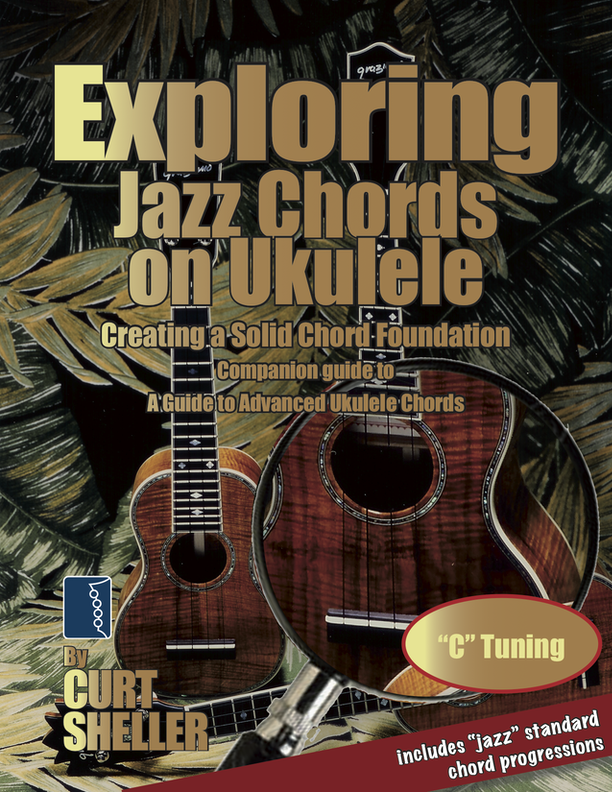
Exploring Jazz Chords on Ukulele
Exploring jazz chords using a variety of common chord progressions based on songs from the standard jazz repertoire. Core Chords are the basic set of chords needed to play a wide range of music, in a variety of styles. This set of chords includes basic open position chords, basic movable form chords and the core 4-part "jazz" chords.
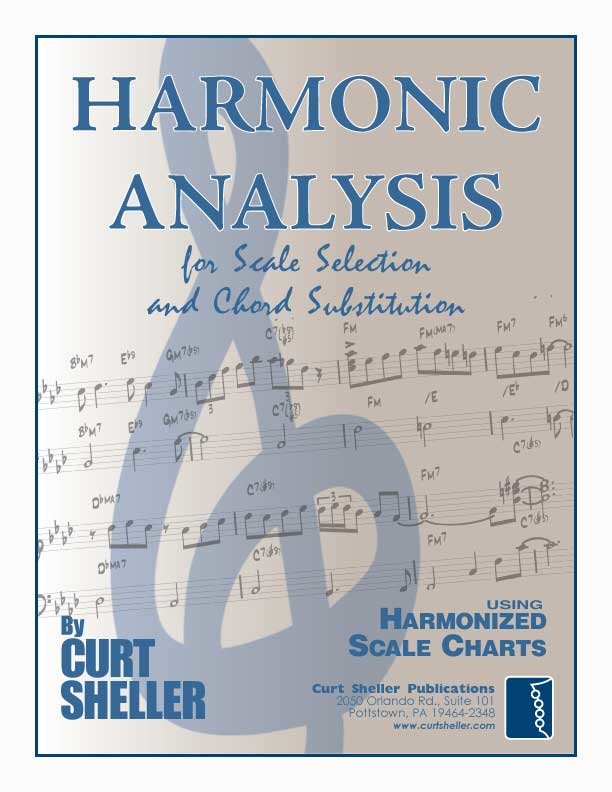
Harmonic Analysis for Scale Selection and Chord Substitution
Harmonic Analysis is the understanding of the functional sequence of chords. It is the process used to analyze the harmonic structure of a progression, song or composition. This analysis is then used to make scale selections for improvisation and chord substitution.
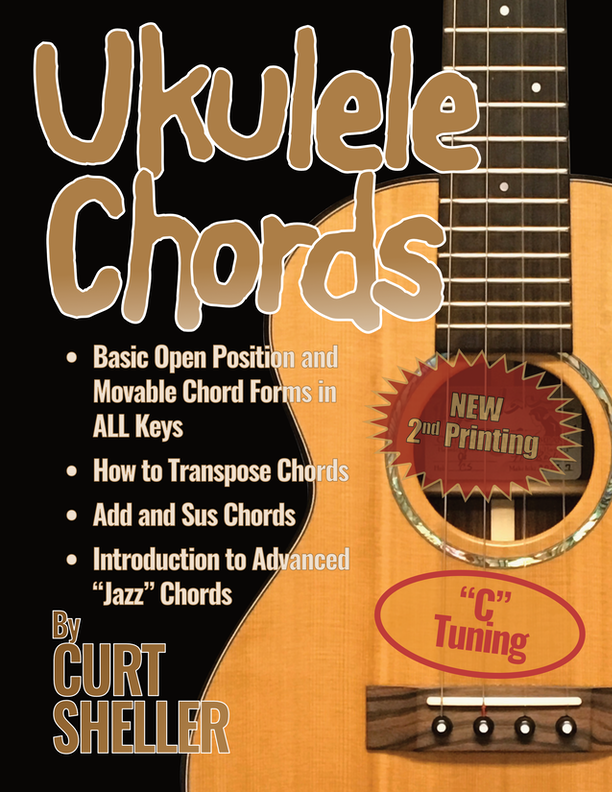
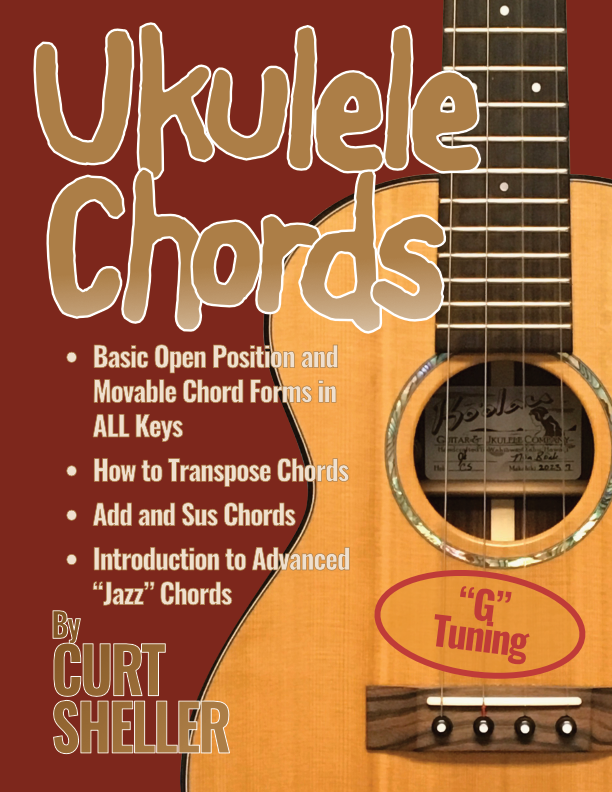
Ukulele Chords - G Tuning
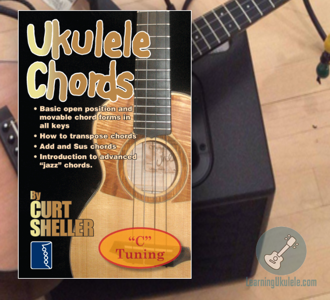
This chord book is the perfect size for every ukulele gig bag or case and a great addition to you music book library. Ukulele Chords covers basic open position and basic movable form chords. From these two chord categories a variety of songs and styles can be played. Seventh chords, Major Sevenths, Minor Sevenths, Diminished, Augmented chords sus and add chords. Tunings: G with low or high D - (DGBE or dGBE).
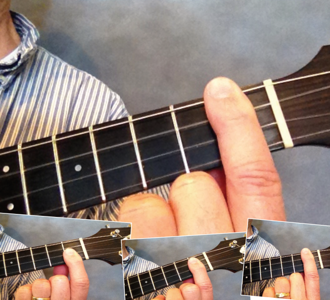



Core “Jazz” Ukulele Chords - The Big Six
Core Chords for Ukulele, The Big Six - From four F7 chord voicings or shapes, your can build your massive 4-part, a.k.a., “jazz” chord vocabulary. Beyond basic open position chords, basic movable form chords and a core set of 4-part chords. There are just too many chords shapes too memorize.