
Published:
2022-01-04
Updated:
2022-01-07
Learning Ukulele with Curt
Reading Music on the Ukulele - Primer
Learn to read single note melodies in the first/open position. It is a lot easier than you might think with this step-by-step easy to use approach. Tunings: C with low or high G - (GCEA or gCEA).
Main Category: Reading Main Instrument: Ukulele

2022-01-07
RelatedWorkshopAssets
Learn to read single note melodies in the first/open position. It is a lot easier than you might think with this step-by-step easy to use approach. Tunings: C with low or high G - (GCEA or gCEA).
Reading music is not as hard as one might think. It may be new and unfamiliar but is not hard when you have a proper plan of attack.
Reading music on the ukulele is easier than reading music on guitar or piano. There are only four strings with a smaller range of possible notes.
Music in the key of C with all natural notes, no flats or sharps is pretty easy to play in open position on a ukulele. This would be the same as playing the white keys of a piano.
Standard music notation has been the Lingua Franco of musicians, both professionals and hobbyists for many centuries.
Reading standard music notation opens you up to vast world of published music.
Reading simple melodies in open position is the first step to reading music on the uke.
Workshop Details
Reading
Ukulele
2 sessions
TBA
$39.0
264 visits
Reading Music on Ukulele - Primer
In the realm of music, there are certain aspects that students and players often tend to avoid. These include skills such as learning to read music and familiarizing themselves with the notes on their instrument. While these tasks may seem challenging, particularly on the fretted string instruments, they are comparatively easier on the ukulele. With the appropriate guidance and a well-defined plan, mastering these skills can be a smooth and achievable process.
Reading for Ukulele - The Next Steps
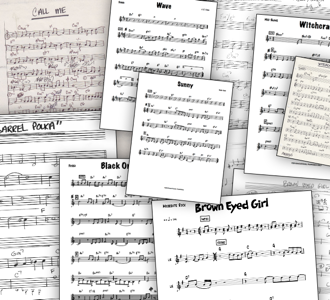
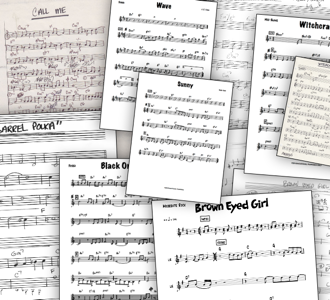
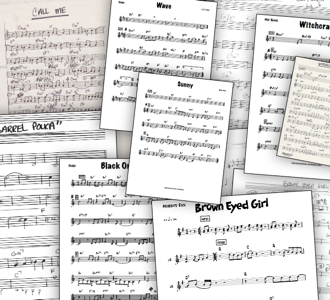
Reading can be thought of on many different levels. 1) the ability to slowly and painfully work out the written music. 2) the ability to hear the music by looking at the notation. 3) the ability to notate your ideas in standard music notation. 4) the ability to read music as you read a book or an article. 5) the ability to communicate with other musicians in the written language of music. 6) the ability to learn songs that you have never heard.