Published:
2003-01-01
Updated:
2023-06-09
Learning Ukulele with Curt
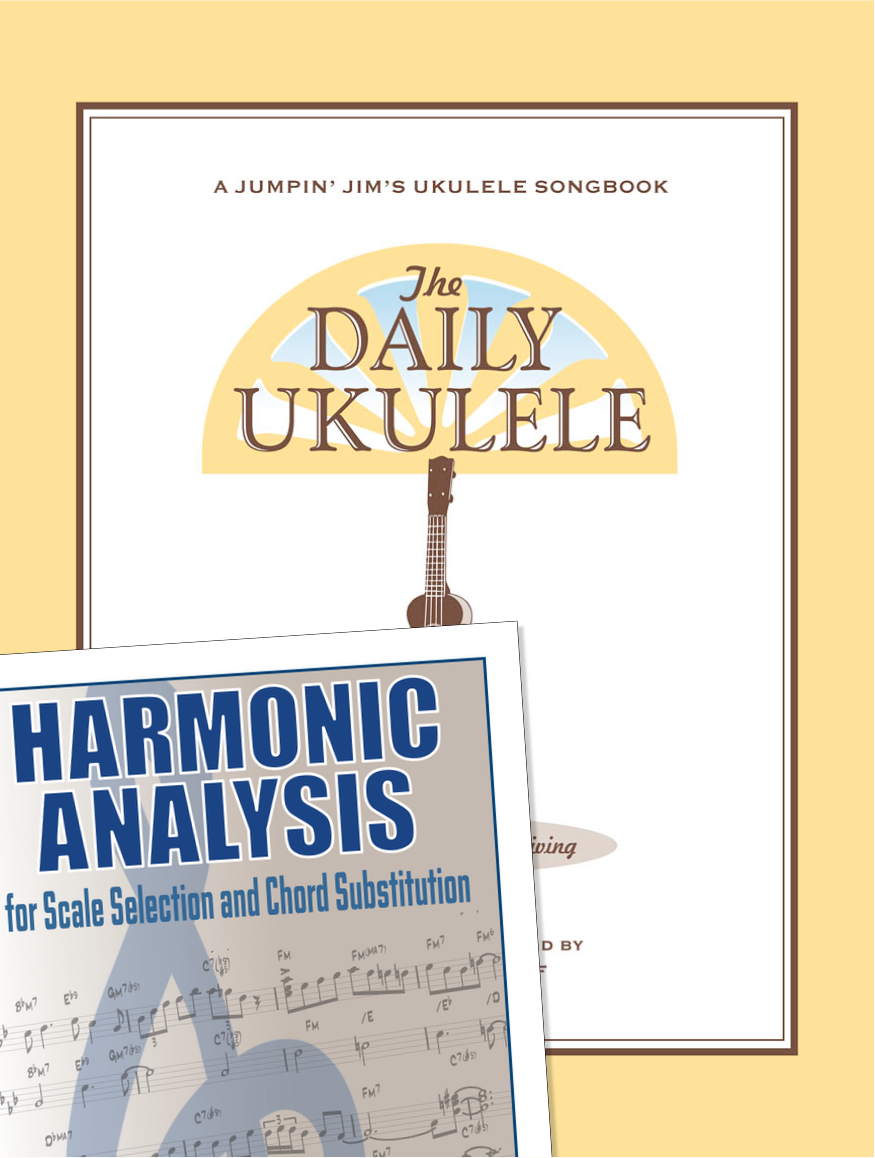
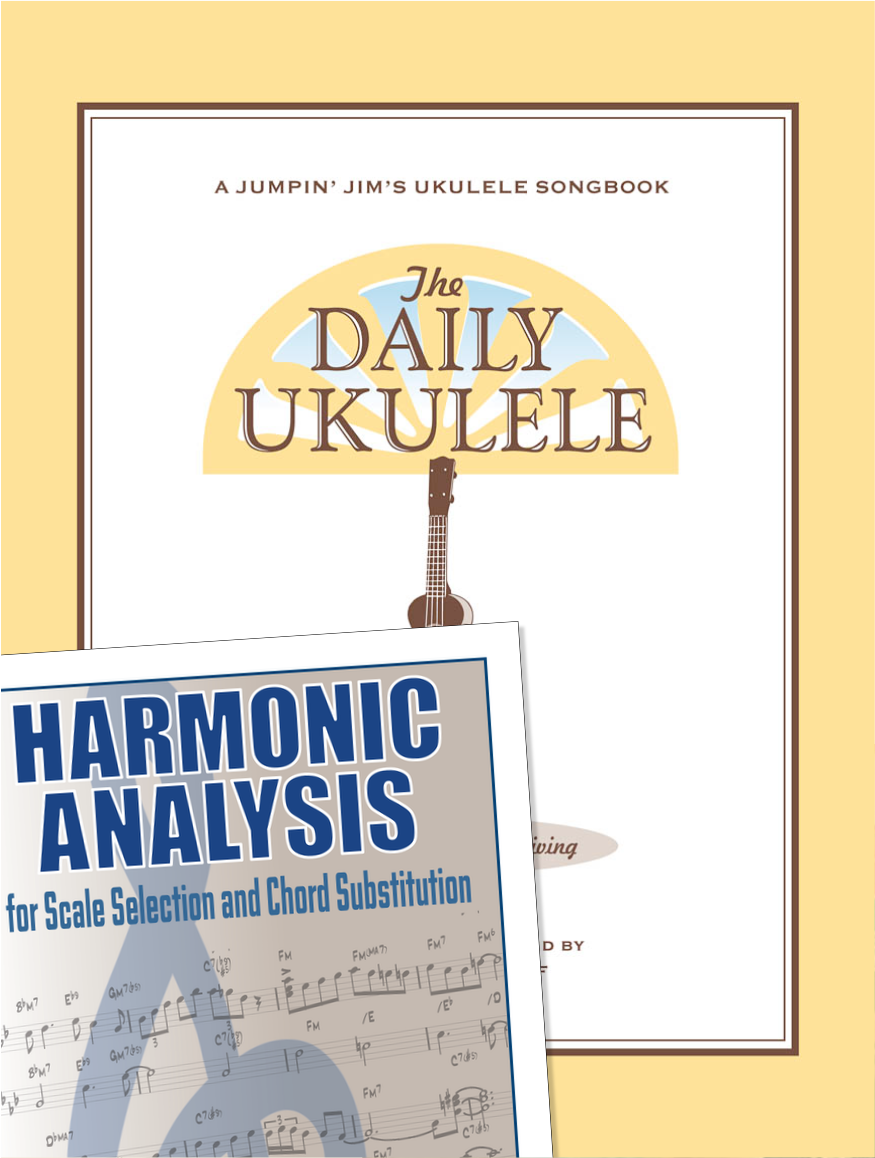
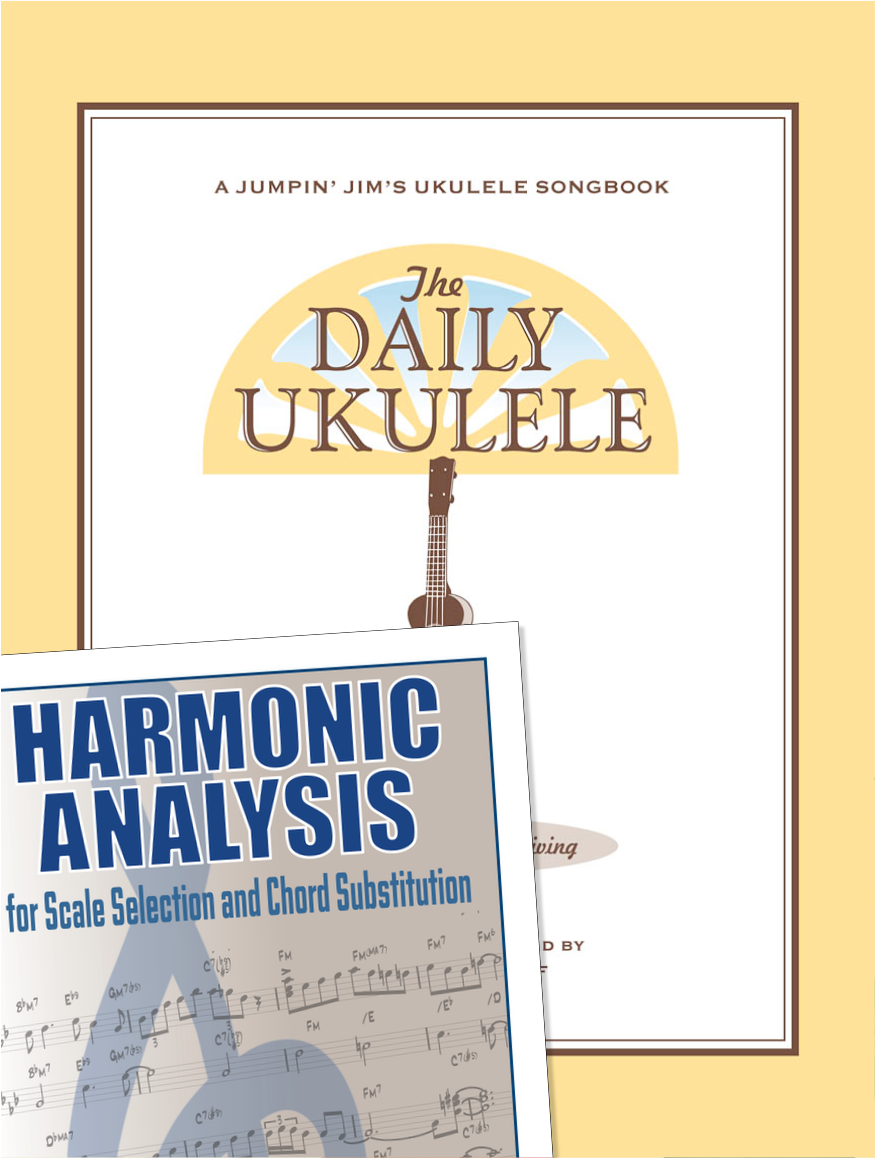
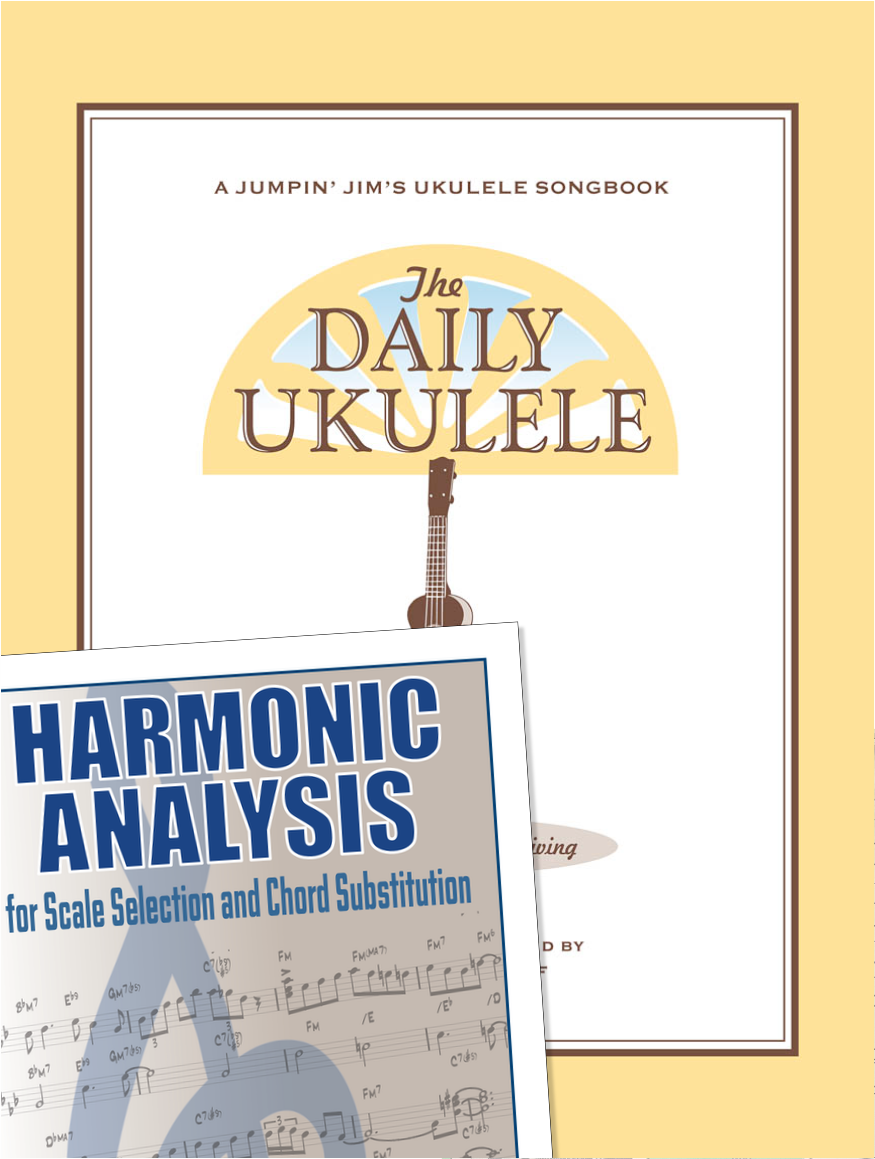
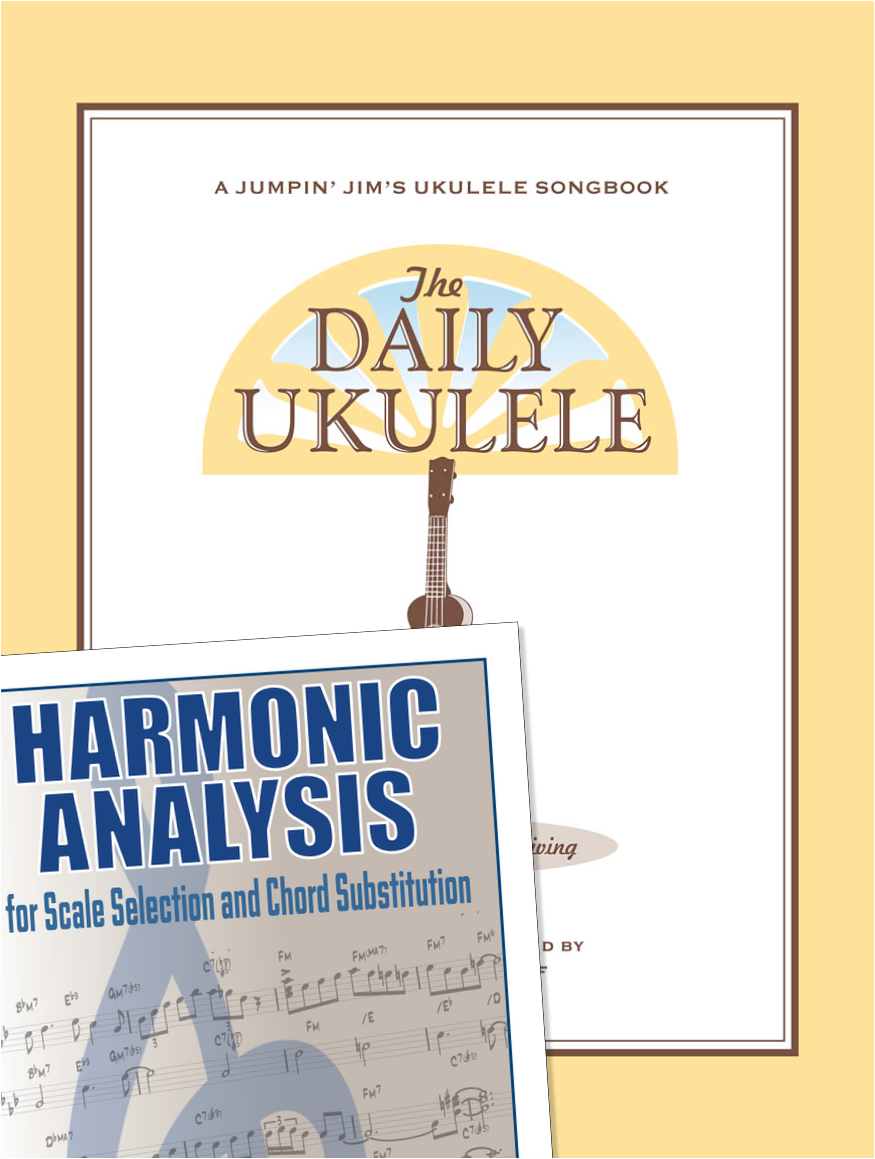
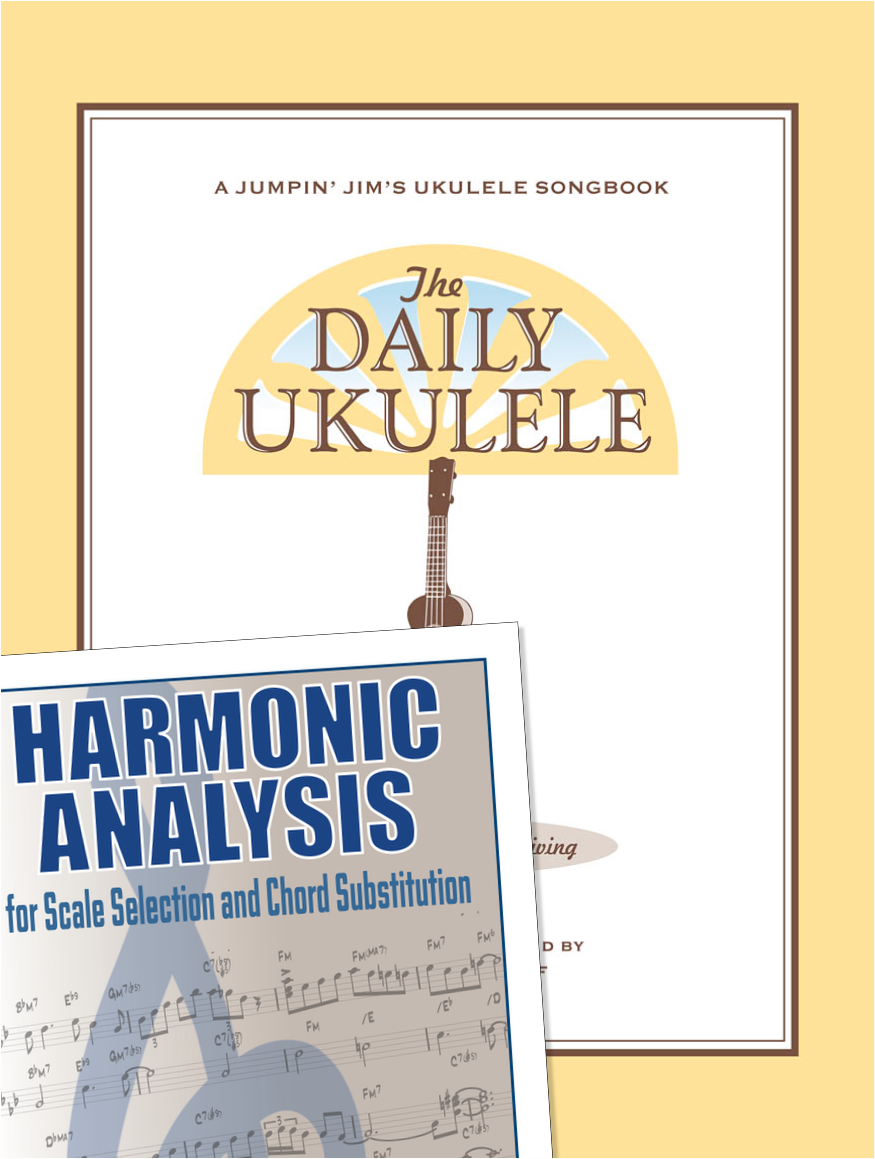
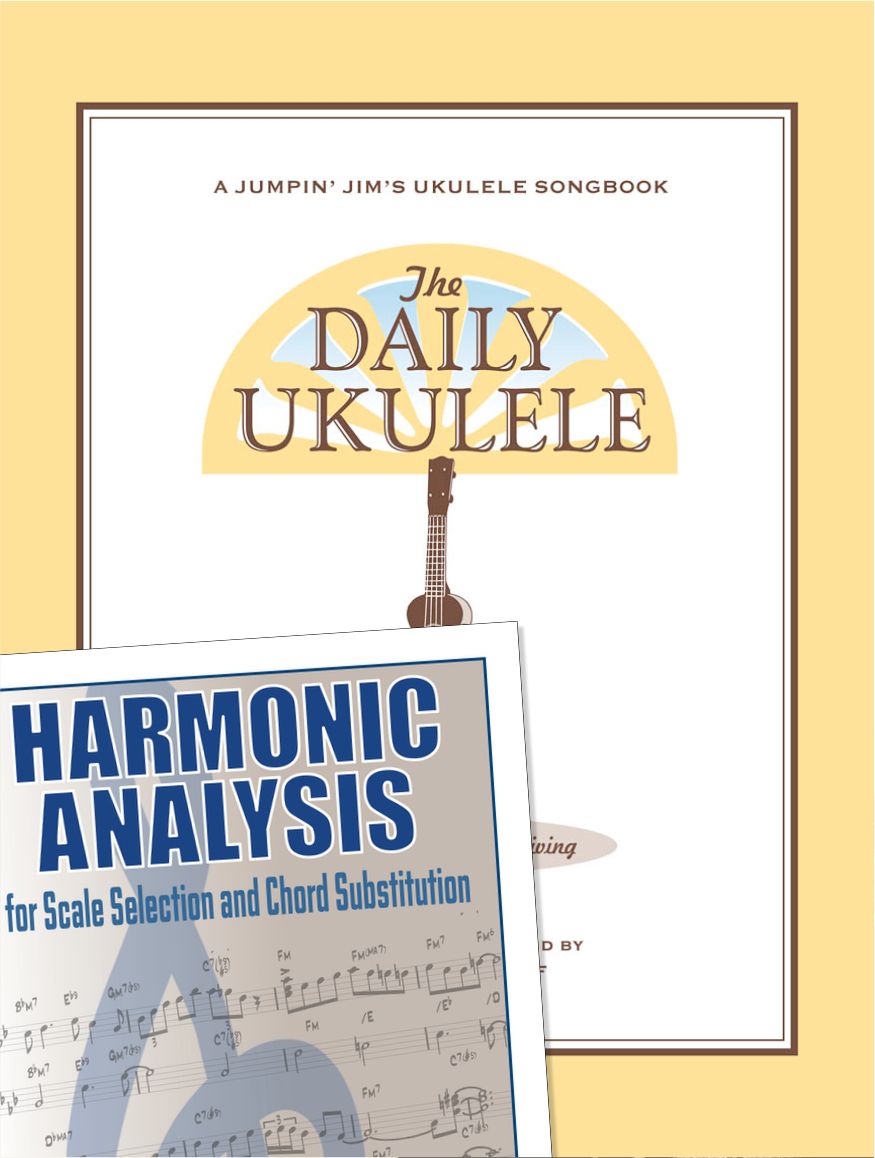
Harmonic Analysis for Scale and Chord Selection
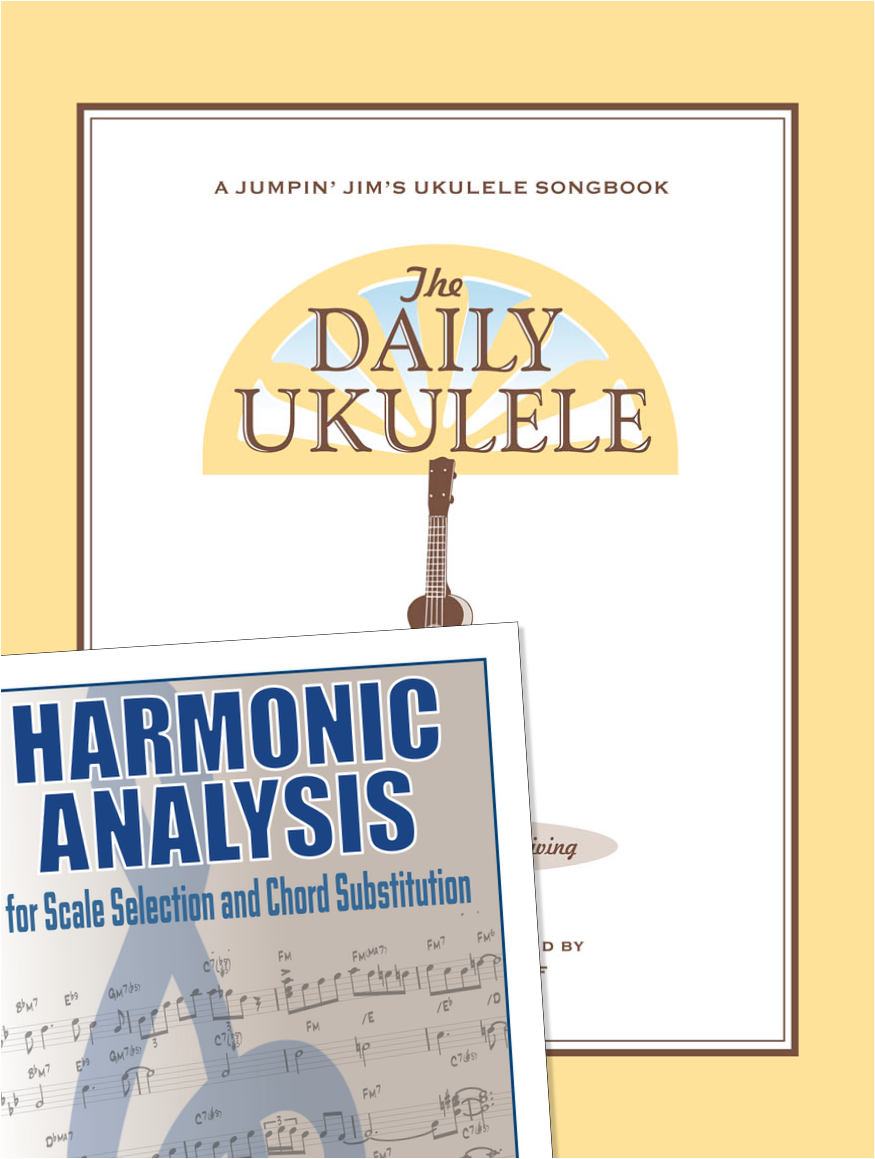
Harmonic Analysis (HA), also known as the study of chord relationships, is the method used to identify the harmonic role of chords within a chord progression or song. A chord progression refers to a sequence of chords, with each chord having a root note and belonging to a specific chord type. The function of a chord within a particular scale's tonality is determined by its relationship to that scale.
Main Category: Theory Main Instrument: Ukulele

6 August 2026
Harmonic Analysis (HA) also known as the study of chord relationships, is the method used to identify the harmonic role of chords within a chord progression or song. A chord progression refers to a sequence of chords, with each chord having a root note and belonging to a specific chord type. The function of a chord within a particular scale's tonality is determined by its relationship to that scale.
Harmonic Analysis - Basic Concepts
Harmonic Analysis (HA) is the process used to determine the harmonic function of chords within a chord progression, song or composition. A chord progression is defined as a sequence of chords, with each chord having a root and a particular chord type. The relationship of a chord's root to a scale determines its function within that scale's tonality. Once a chord's function is identified, scale selections along with chord and scale substitutions are made. We call this process Root Movement Analysis (RMA).
Harmonic Analysis - Full Diatonic
Harmonic Analysis is the understanding of the functional sequence of chords. It is the process used to analyze the harmonic structure of a progression, song or composition. This analysis is then used to make scale selections for improvisation and chord substitution. This lesson covers the Full Diatonic harmonic principle.
Harmonic Analysis - Internal Modulation
Harmonic Analysis is the understanding of the functional sequence of chords. It is the process used to analyze the harmonic structure of a progression, song or composition. This analysis is then used to make scale selections for improvisation and chord substitution.
This lesson covers the Internal Modulation harmonic principle.
Harmonic Analysis - Unresolved
Harmonic Analysis is the understanding of the functional sequence of chords. It is the process used to analyze the harmonic structure of a progression, song or composition. This analysis is then used to make scale selections for improvisation and chord substitution. This lesson covers the Unresolved harmonic principle.
Harmonic Analysis - Chromatic
Harmonic Analysis is the understanding of the functional sequence of chords. It is the process used to analyze the harmonic structure of a progression, song or composition. This analysis is then used to make scale selections for improvisation and chord substitution.
This lesson covers the Chromatic harmonic principle.
Harmonic Analysis - Cycles
Harmonic Analysis is the understanding of the functional sequence of chords. It is the process used to analyze the harmonic structure of a progression, song or composition. This analysis is then used to make scale selections for improvisation and chord substitution.
This lesson covers the Cycles harmonic principle.
Harmonic Analysis - Scale Selection
Harmonic Analysis is the understanding of the functional sequence of chords. It is the process used to analyze the harmonic structure of a progression, song or composition. This analysis is then used to make scale selections for improvisation and chord substitution.
This lesson covers the vertical and horizontal scale selection.
Harmonic Analysis - Common Chord Progressions
Common chord progression are simply the sequence of chords that contiounly show up in various styles of music and common keys.
Download the PDF lessons files for the complete lesson.
For a thorough listing of common chord progressions see my book The Advanced Guide to Chord Progressions - Vol I and II.
Volume I deals with chord progressions using the Full Diatonic, Partial Diatonic and Chromatic harmonic principles.
Volume II deals with Internal Modulation, Unresolved and Cycle principles.
Harmonic Analysis - Worksheet and Examples
Harmonic Analysis is the understanding of the functional sequence of chords. It is the process used to analyze the harmonic structure of a progression, song or composition. This analysis is then used to make scale selections for improvisation and chord substitution. This lesson contains a blank worksheet and several completed examples using standards from the jazz repertoire.
Series Info
Theory
Ukulele
1757 visits



I Ain't Got Nobody (And Nobody Cares For Me)
"I Ain't Got Nobody" (sometimes referred to as "I'm So Sad and Lonely" or "I Ain't Got Nobody Much") is a popular song and copyrighted in 1915. It was first recorded by Marion Harris, and became a perennial standard, recorded many times over the following generations, in styles ranging from pop to jazz to country music.
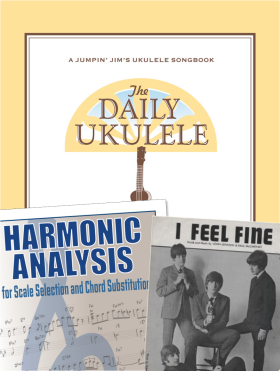
I Feel Fine
"I Feel Fine" is a song by the English rock band the Beatles that was released in November 1964 as the A-side of their eighth single. It was written by John Lennon and credited to the Lennon–McCartney partnership. The recording includes one of the earliest uses of guitar feedback in popular music.
I'll Fly Away
"I'll Fly Away"(Roud 18437) is a hymn written between 1929 and 1932 by Albert E. Brumley and published in 1932 by the Hartford Music Company in a collection titled Wonderful Message. Albert took three years to write the song after getting the idea while picking cotton in 1928. Over the years multiple derivative versions have been created and will be licensed for decades to come. Brumley's writing was influenced by the 1924 secular ballad "The Prisoner's Song".
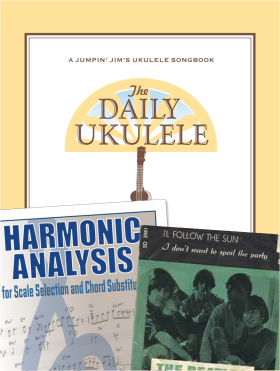
I'll Follow The Sun
"I'll Follow the Sun" is a song by the English rock band the Beatles. It is a ballad written and sung by Paul McCartney and credited to Lennon–McCartney. It was released in 1964 on the Beatles for Sale album in the United Kingdom and on Beatles '65 in the United States. The band played the song on the BBC radio programm Top Gear, and the track was released on On Air – Live at the BBC Volume 2 in 2013.
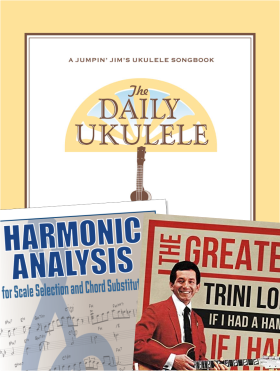
If I Had A Hammer (The Hammer Song)
"If I Had a Hammer (The Hammer Song)" is a protest song written by Pete Seeger and Lee Hays. It was written in 1949 in support of the Progressive movement, and was first recorded by the Weavers, a folk music quartet composed of Seeger, Hays, Ronnie Gilbert, and Fred Hellerman.
Imagine
A song by John Lennon from his 1971 album of the same name. The best-selling single of his solo career, the lyrics encourage listeners to imagine a world of peace, beginning with living without religion and its concepts, without economic materialism, and without borders separating nations. Shortly before his death, Lennon said that much of the song's lyrics and content came from his wife, Yoko Ono, and in 2017, she received a co-writing credit.